Frozen Water Pipes In Attic

Keep Your Attic Pipes From Freezing With Images Frozen Pipes Ice Dams Water Damage

How To Insulate Water Pipes To Prevent Freezing Frozen Pipes Water Pipes Rv Water Heater

Preventing And Treating Frozen Pipes In Plummeting Temps Li Trends Frozen Pipes Water Pipes Pipes
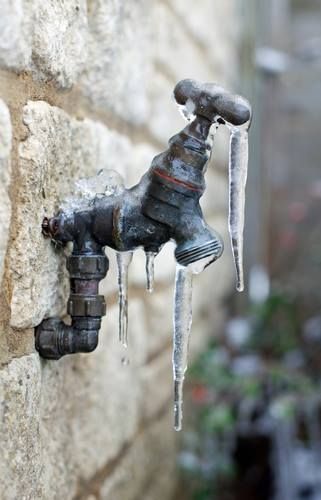
Here Are Some Tips To Help You Prevent Damage From The Freezing Cold 1 Insulate Your Outside Walls Unheated Areas And Attic 2 Frozen Pipes Plumbing Faucet

To Prevent Your Frozen Pipes From Bursting Leave The Nearest Faucet On To Give The Water A Way To Escape Understand Diy Plumbing Plumbing Bathroom Plumbing

Preventing Freezing Pipes In Your Home Frozen Pipes Water Pipes Pipes

Field tests of residential water systems showed that for uninsulated pipes installed in an unheated attic freezing began when the outside temperature fell to 20 f or below.
Frozen water pipes in attic.

Pin On Water Damage Mitigation

Pin On Trailer Trash

Cold Weather Tips Make Sure Pipes In Garage Attic Undersinks Are Insulated Leave Undersink Attic Doors Open All Night To Al Round Rock Tx Plumber Attic Doors

How To Prevent Frozen Water Pipes Water Pipes Frozen Pipes Frozen Water
Source : pinterest.com
